

Oral Health is Still the World’s #1 Disease. Here’s How We Fix That

By: Dr. Kami Hoss
THE PROBLEM WE CAN’T IGNORE
Despite nearly a century of modern dentistry, oral disease remains the most common chronic disease in children and the #1 disease worldwide. Every year in the U.S. alone, over 51 million school hours are lost because of dental problems. Adults fare no better, with oral health issues linked to systemic conditions ranging from heart disease and diabetes to cognitive decline.
This paradox should make us stop and ask: If we have more toothpastes, toothbrushes, rinses, and professional interventions than ever before, why are outcomes not improving? Why are dental caries, enamel erosion and sensitivity still epidemic?
The uncomfortable truth is that the products and routines we’ve promoted for decades haven’t kept pace with science, and in some cases, they may be part of the problem.
WHY TRADITIONAL ORAL CARE FALLS SHORT
For years, patients have been told that oral care is simple: brush with fluoride toothpaste, floss daily, rinse with an antiseptic mouthwash.
But we now know this formula ignores critical factors.
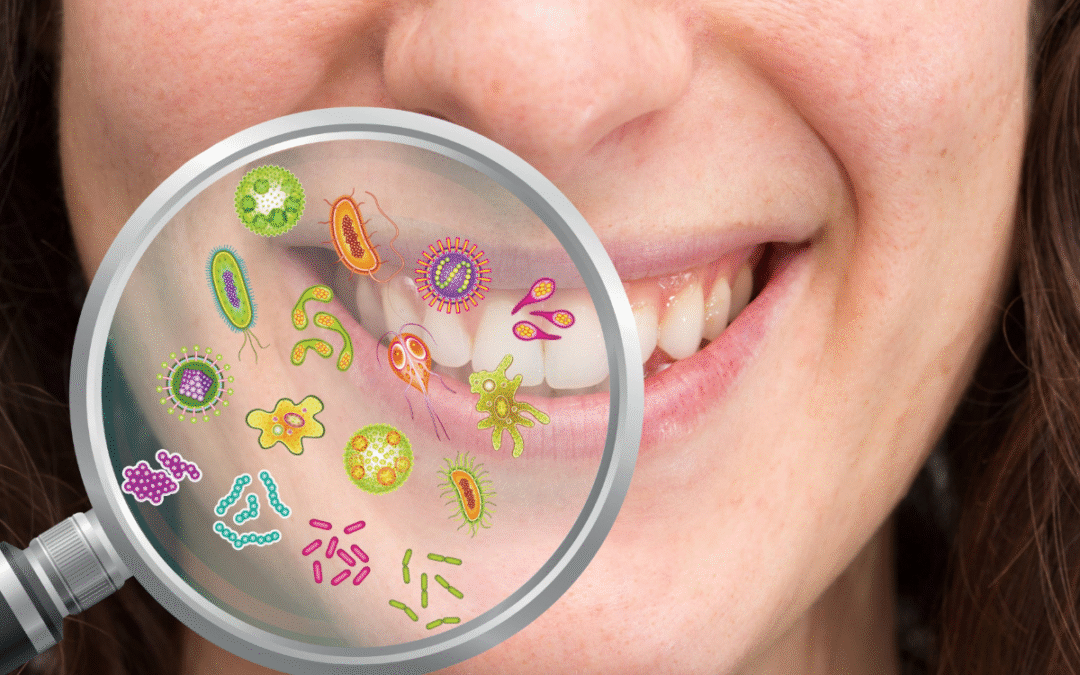
The oral microbiome. The mouth is not just teeth — it’s an ecosystem. Antiseptic mouthwashes, alcohol, and harsh essential oils can disrupt the delicate balance of microbes that protect against disease, creating long-term harm even as they promise “fresh breath.”
- Toothbrush technology. Toothbrushes have barely changed since the 1930s. Even those labeled “soft” are often abrasive enough to contribute to gum recession and dental sensitivity, now affecting up to 75% of adults.
- One-size-fits-all products. A pregnant patient, a teething toddler, a cavity-prone child, a teen with braces and a middle-aged adult all have vastly different needs. Yet most products are marketed as universal solutions, when in reality each stage requires tailored tools and ingredients.
- The fluoride-only mindset. While fluoride has undeniable benefits, it is not a cure-all. Innovations like nano-hydroxyapatite, a biomimetic ingredient proven to repair enamel and reduce sensitivity, deserve equal attention
These gaps leave patients vulnerable, despite their best efforts.
A SCIENCE-BASED SHIFT: WHAT PATIENTS REALLY NEED
What would oral care look like if it truly aligned with what science now tells us?
- Products that nurture, not destroy, the microbiome. Instead of scorched-earth antimicrobials, patients need rinses and pastes with prebiotics, gentle pH balancing, and safe ingredients that preserve beneficial bacteria.
- Tools designed for safety and efficacy. Brushes with bristles contoured to the natural shape of teeth (rather than flat rows of nylon) can dramatically improve plaque removal while reducing abrasion. UV sanitization, drying technology, and safe storage also matter more than many realize, given the bacterial load on typical toothbrushes.
- Stage-specific systems. From pregnancy to children, orthodontics, and aging adults, oral care should be customized to physiology, risk factors and lifestyle. Imagine handing a mother-to-be products proven safe during pregnancy, or offering a child with braces brushes, floss and pastes designed for orthodontic appliances.
- Ingredients that go beyond fluoride. Nano-hydroxyapatite, vitamins D3 and K2, and other biomimetic compounds are advancing remineralization science. Patients deserve access to these safer, more effective innovations.
THE ROLE OF THE DENTAL PROFESSIONAL
Patients are overwhelmed. They walk into supermarkets or scroll online and see hundreds of oral care products, most of which make bold claims but fail to deliver on safety or effectiveness. This is where dentists and hygienists must lead. We can help patients navigate the noise by:
- Reframing the conversation. Oral health is not just about preventing cavities; it’s about protecting systemic health, confidence, sleep, nutrition and even mental well-being.
- Educating on safe, effective choices. Instead of generic recommendations like “use a fluoride toothpaste,” we can specify what
kind of formulations, bristles, or rinses to look for and what to avoid. - Curating care by stage. Just as we wouldn’t prescribe the same medication to a child and an adult, we shouldn’t suggest the same oral care products. Patients appreciate guidance that feels personalized and evidence-based.
When professionals provide this level of leadership, we not only improve patient outcomes but also strengthen trust and loyalty.
A PARADIGM READY FOR DISRUPTION
Oral care is at a turning point. Patients are questioning fluoride, exploring “natural” products that may not be safe, and experimenting with trends they find on TikTok or YouTube. Many of these fads—from filing down teeth to dangerous whitening hacks—are actively harming oral health.
This confusion is our opportunity. By embracing the latest science and debunking outdated myths, we can reposition dentistry as not just a fixer of problems but as a field that actively extends health span and enhances quality of life.
Oral care doesn’t have to be stuck in the 20th century. Together, we can reinvent it for the 21st.
Dr. Kami Hoss holds a master’s degree in craniofacial biology, a doctorate in dental surgery and a post-doctorate degree in orthodontics and dentofacial orthopedics. He co-founded The Super Dentists located in the San Diego, CA area and is the founder and CEO of SuperMouth.